In Dakar, strategic decisions have been made to build the future housing at Cité FSH, and develop the "Pépinière communautaire".
Building homes is about more than simply constructing houses. It also means thinking about the spaces around them, how they will be used and managed, and the conditions that will enable a community to come together and thrive there over time. In Dakar, the future Cité FSH is gradually taking shape around this vision.
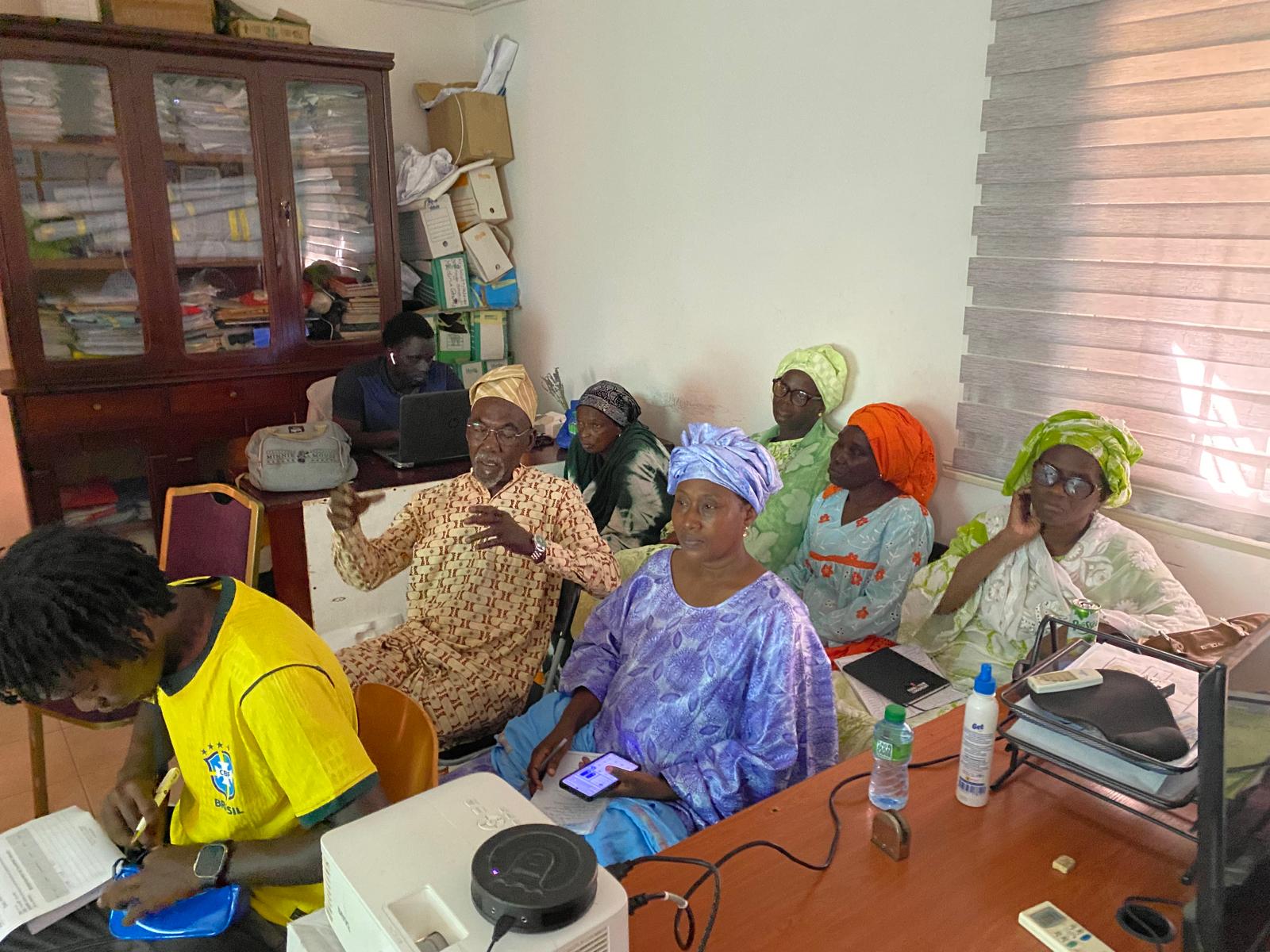
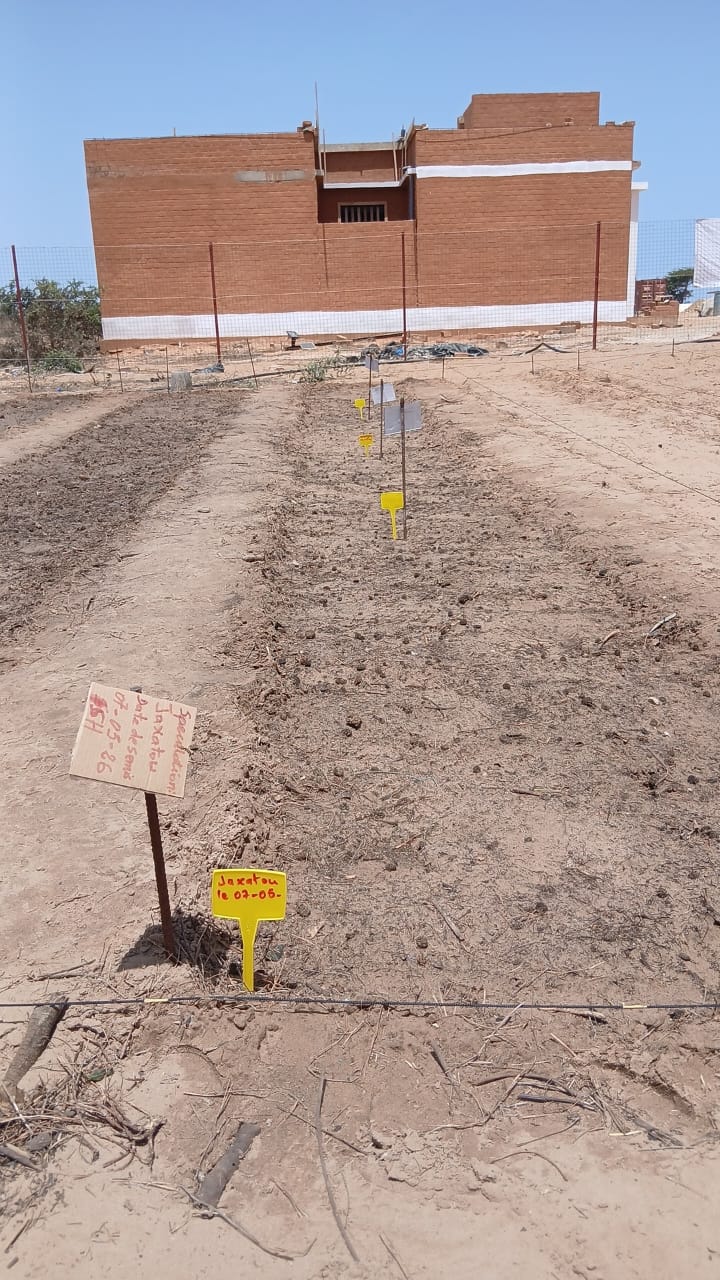
From 21 to 26 June 2026, Bénédicte Hinschberger, project manager at urbaMonde France, and Régis Kacou, project manager at urbaMonde Switzerland, travelled to Dakar for a monitoring visit with urbaSEN and the Senegalese Federation of Inhabitants (FSH). The visit provided an opportunity to initiate discussions on several aspects of the project, monitor progress on the Pépinière communautaire, and prepare for the next stages of the Cité’s construction.
Above all, it was an important opportunity to connect the ideas expressed by women residents with their concrete translation into the design of their future neighbourhood.
Turning participation into a practical tool for urban development
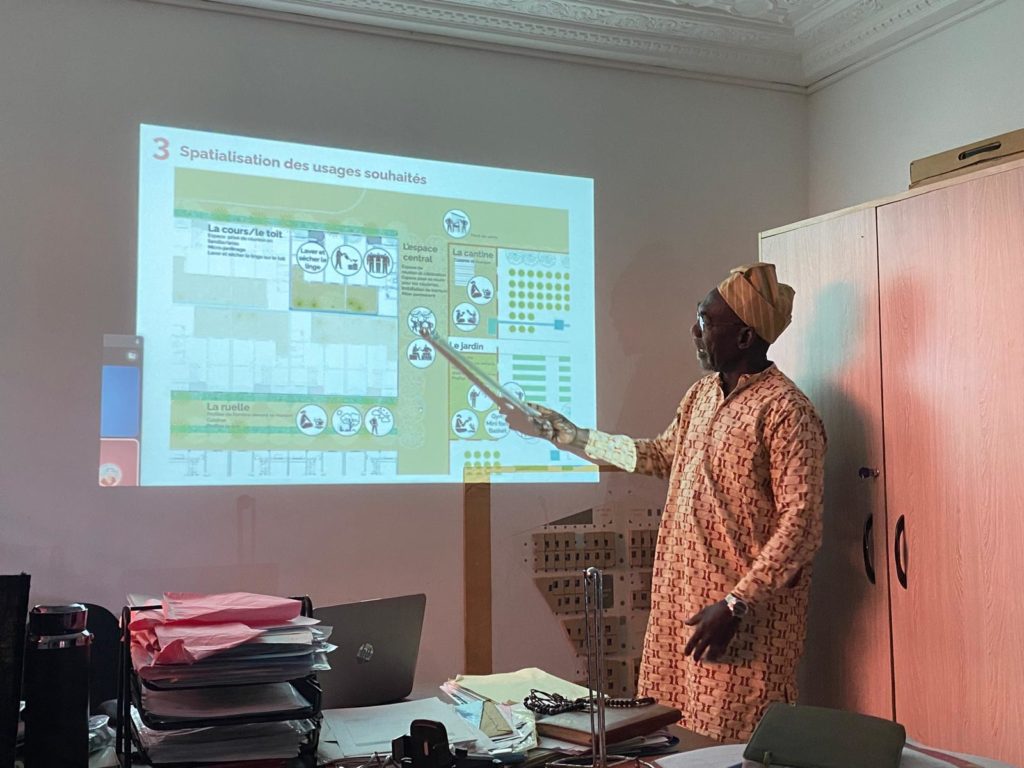
On 4 May 2026, CoopTerre supported a consultation workshop bringing together participants to discuss the future green spaces of the development. The aim was to reflect collectively on how these spaces could be used: where to meet, play, garden, relax or organise community activities; what role trees and vegetation should play; and how to make these spaces suited to the local climate and the needs of residents.
A few weeks later, the June mission provided an opportunity to return to the participants with an initial spatial translation of these proposals.
The session therefore went beyond simply presenting the workshop outcomes. It opened up a discussion around the proposed design and planting choices, while also providing an opportunity to assess their consistency with the uses and activities collectively envisioned.
The different components of the future Pépinière gradually began to take shape. The space will be multifunctional, combining social, educational, recreational and ecological functions. At its entrance, a community kitchen and a gathering space will encourage interaction and socialising among local residents. The garden will provide a cool, shaded environment as well as opportunities for environmental education for children and families. The surrounding lanes can accommodate planting and shaded areas, while continuing to serve the everyday needs of residents.
At the heart of the neighbourhood, a space will be dedicated to community gatherings and ceremonies. The courtyards of the houses could also accommodate small gardens, as well as fruit or shade trees.
The aim is to make shared spaces a genuine part of the living environment, rather than simply an area surrounding the homes.
Spaces shaped by climate and everyday use
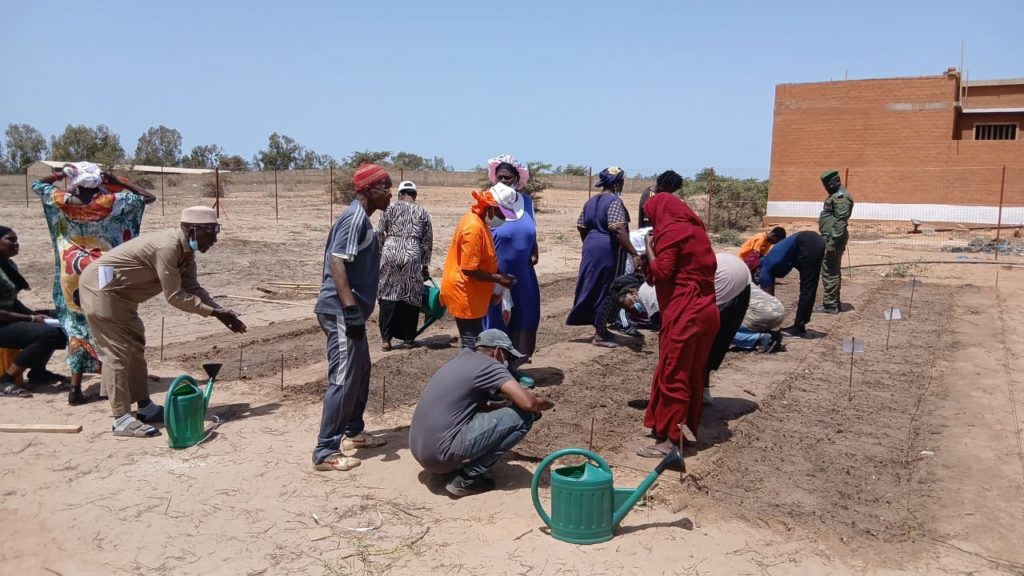
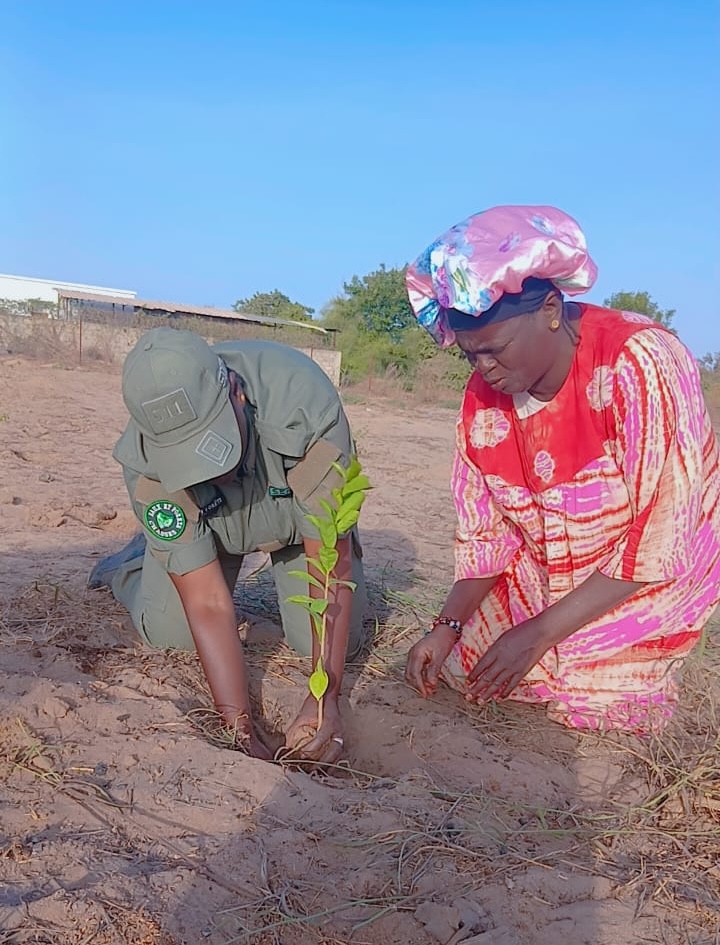
Planting and greening are a key part of this approach. Drawing on contributions from local women and the technical recommendations of IREF (Institut Régional des Eaux et Forêts de Thiès), CoopTerre proposed a range of species and planting approaches to meet several objectives: providing shade, producing fruit, supporting biodiversity, creating opportunities for environmental education, and strengthening the site’s resilience to climatic conditions.
The discussions also addressed rainwater management. One option being considered is the integration of swales along the lanes to collect and make use of rainwater for watering the plants.
This approach brings together several dimensions of the project: spatial design, residents’ comfort, natural resource management and climate adaptation. It also shows that technical choices can be discussed with the future users of these spaces.
For the participants, these interventions represent far more than a simple landscaping project. They are intended to help create places where people can meet, share knowledge, develop activities and foster a sense of collective engagement.
Building the first homes, preparing the future Cité FSH
During the mission, work also continued on the first homes for the future Cité FSH. The teams from urbaSEN, FSH and urbaMonde reviewed the conditions needed to launch construction of an initial batch of 15 homes.
Several technical aspects still need to be consolidated, and decisions remain to be made regarding the plans, materials and organisation of the construction process.
The aim is to offer future residents a choice of layouts that are compatible with their financial means, while continuing to explore suitable financing solutions, particularly outside the conventional banking system.
This is a decisive stage: the project must now gradually move from design to construction, while preserving the principles that have guided its collective development.
A community built far beyond its homes
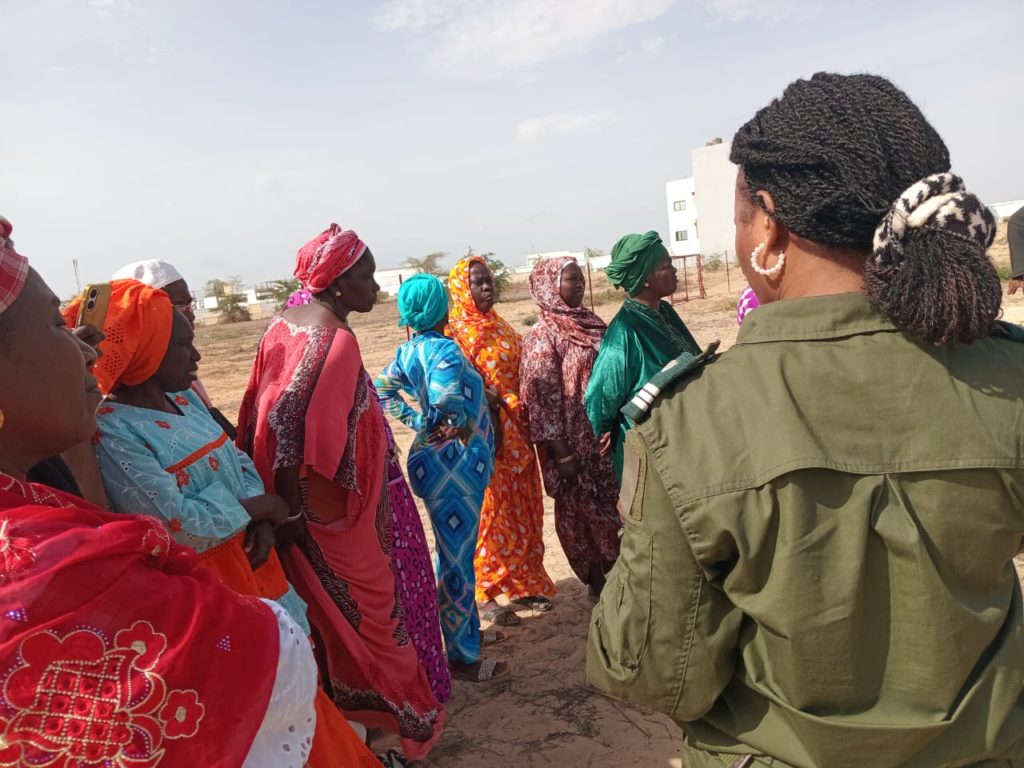
In Dakar, the future Cité FSH is therefore moving forward on several fronts at once. The homes are entering the operational phase, while the shared spaces are taking shape through discussions and reflections carried out with the women residents.
This connection lies at the heart of the approach: having a home is not simply about having a place to live, but also about being able to take part in shaping and managing the surrounding environment.
The community Pépinière is a concrete example of this approach. The uses envisioned by the women residents and discussed at an earlier stage – notably through dedicated workshops and the ecoQuartiers seminars held between 2021 and 2024 – are gradually being translated into design choices. Planting plans take into account both climate-related challenges and everyday needs, while thinking ahead about future management aims to create the conditions for the community to take lasting ownership of the space.
The next step will be to turn these plans into concrete action: continue planting, organise awareness-raising and training activities, formalise partnerships, finalise the technical and financial aspects and, above all, launch construction of the first homes in the Cité FSH.
As the project moves forward, it is therefore a genuine community that is taking shape around the homes: spaces designed collectively, shared resources and greater capacity for residents to shape the environment in which they live.